הרמות L1-L5 של אוטונומיית חווה
הרמות של אוטונומיית חווה הן סולם בחמש רמות לגידול חיות משק, ממודל על רמות הנהיגה האוטונומית ששינו את המכוניות. L1-L2 היא האוטומציה שכבר אפשר לקנות - טיימרים, חיישנים, בקרי אקלים. L3 היא מערכת שקוראת את בעלי החיים עצמם ופועלת על סמך מה שהיא רואה. L4-L5 היא החווה שרצה, מתרפאת ומשתפרת לבד. המסגרת הוגדרה על ידי DeepLoop לייצור חזירים, ברוילרים ותרנגולות הטלה.
כל רמה עונה על שאלה אחת: כמה מהלולאה היומית - לצפות, להבין, להחליט, לפעול, ללמוד - רצה ללא אדם בתוכה. החקלאי קובע את היעד (FCR בחזיר הפיטום, שרידות בלול הברוילרים, קצב ההטלה בלול התרנגולות); כל רמה למעלה, החווה מוצאת יותר דרך לבד. הסולם למטה הוא המסגרת המלאה.
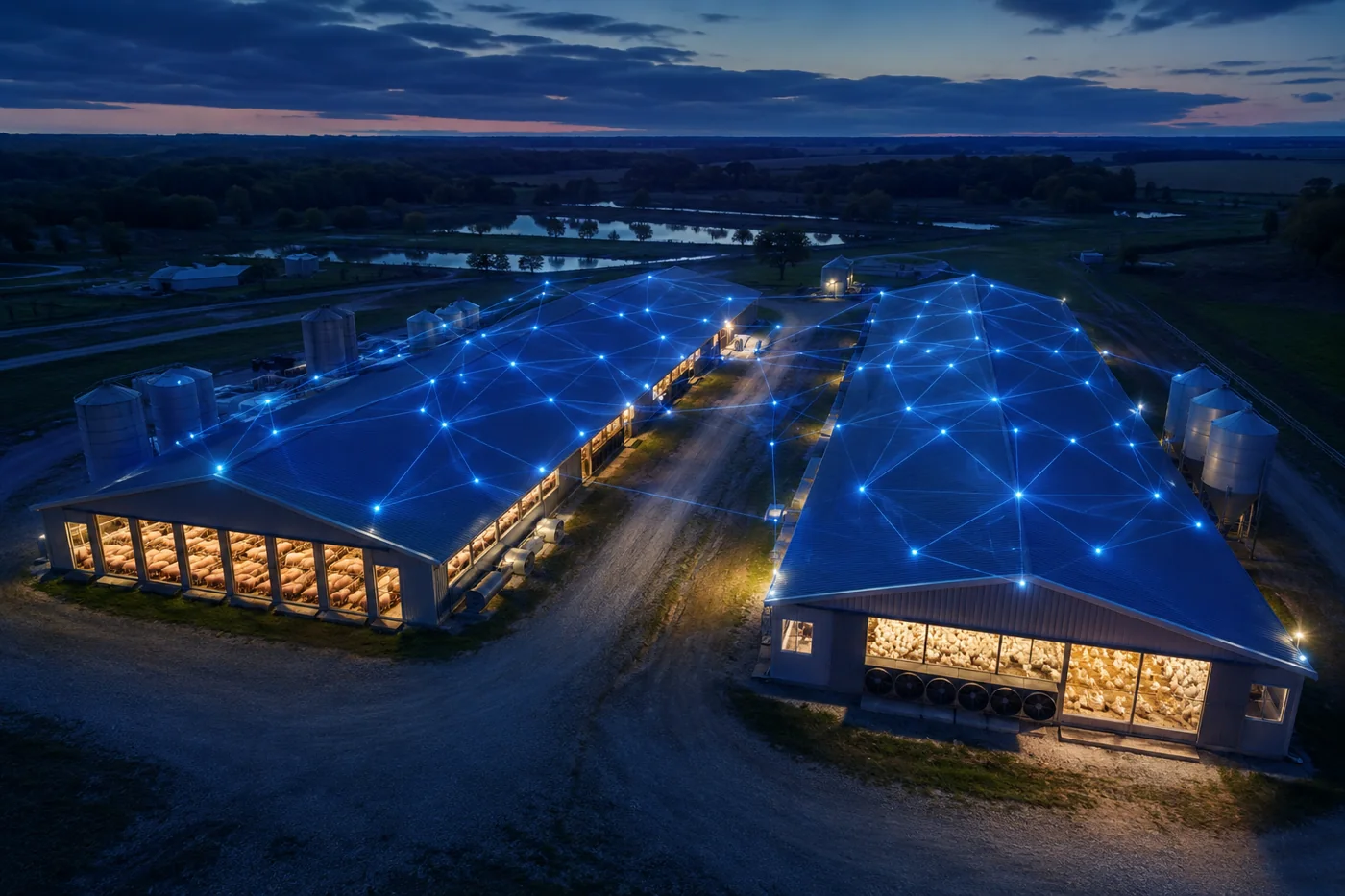

חמש רמות של אוטונומיית חווה
כמו רמות הנהיגה האוטונומית ששינו את הרכבים - אבל לרפת. כל רמה היא צעד לעבר מטרה אחת: החקלאי קובע את היעד - FCR בחזיר הפיטום, שרידות בלול הפטמים, אחוז הטלה בלול המטילות - והחווה מוצאת את הדרך. L1-2 היא האוטומציה שאפשר כבר לקנות בכל מקום - טיימרים, חיישנים, קופסאות אקלים. L3 היא המקום שבו DeepLoop חיה: מערכת שקוראת את החיות עצמן, ימים לפני העין האנושית - כמעט אף אחד אחר לא עושה את זה. L4-5 הוא הכיוון שאליו אנחנו הולכים: החווה שרצה, מחלימה ומשתפרת בעצמה.
הרפת שאפשר לראות
מצלמות וחיישנים שמצלצלים באזעקה כשמספר חוצה את הקו. אנחנו מתחברים למותגים שכבר יש לך - כך שאתה שומר על החומרה שכבר סומך עליה, ואנחנו בונים מעליה.
הרפת שמגיבה
בקרה סביבתית אוטומטית - אוורור, אקלים, הזנה, מים ומינון. נפוצה ומיושמת באופן רחב; אנחנו מתממשקים עם שותפי אקלים וציוד מבוססים במקום לבנות אותה מחדש.
הרפת שמזהה מחלה
סטיות משקל, חרחורים נשימתיים, הליכת צליעה ומצוקה התנהגותית עולות על פני השטח ימים לפני שביקורת ידנית תופסת אותן - התפרצות נשיכת זנב שנתפסת בזנבות הראשונים שננגסו, ניקור נוצות שנתפס לפני שהוא מתפשט בלול המטילות, התפרצות נשימתית שנתפסת לפני שהיא סוחפת את להקת הפטמים. זו תמותה נמוכה למנה ופחות פסילות בהתחשבנות - ההבדל בין מחזור טוב למחזור רע. זה החלק שאף אחד אחר לא פיצח. מתחת לזה פועל מודל יסוד לווידאו שאומן על התנהגות בעלי חיים, כך שהוא לומד איך נראה נורמלי בלול או ברפת שלך - לא במעבדה.
הרפת שעושה את העבודות
עבודה פיזית שגרתית - בדיקה, איסוף תמותה, ניקיון, חיטוי - מתבצעת בלי צורך בזוג ידיים נוסף. למצוא עובדי חווה טובים כבר קשה מספיק; ב-L4 אתה מפסיק להתחרות עליהם.
הרפת שרצה לבד
הרפת ממשיכה ללמוד בעצמה ומשתפרת גם בטיפול בחיות וגם במספרים. כל מנה מלמדת אותה משהו. החקלאי קובע את היעד - FCR, עלות לק"ג, רצפת רווחה - והחווה מוצאת את הדרך.
מי הגדיר את הרמות של אוטונומיית חווה?
DeepLoop הגדירה מסגרת L1-L5 זו לייצור חיות משק, ממודלת על רמות הנהיגה האוטונומית של SAE, כדי לתת למפיקים שפה משותפת למה אוטונומית לול בפועל.
באיזו רמה רוב החוות נמצאות היום?
רוב חוות החזירים והעופות המסחריות פועלות ברמות L1-L2: טיימרים, חיישנים ובקרי אקלים שמחזיקים נקודות הגדרה אבל לא קוראים את בעלי החיים. מערכות L3 - שמבינות את בעלי החיים עצמם - הן המקום שבו DeepLoop פועלת.
מה צריך כדי לעבור מ-L2 ל-L3?
מצלמות ותוכנה שקוראות את בעלי החיים - ספירה, משקל, התנהגות, פיזור - בתוספת הלולאה שהופכת זיהויים לרישומים והתאמות. ללא חומרה קניינית: מצלמות סטנדרטיות נושאות את כל שכבת החישה.
האם L5 ריאליסטי?
L5 - החווה שרצה, מתרפאת ומשתפרת לבד - היא כיוון, לא מוצר קיים. כל רמה שתחתיה מספקת ערך משל עצמה; העקרונה של הסולם היא לדעת היכן אתה ומה השלב הבא קונה לך.