Amazinga L1-L5 Okuzimela Kwepulazi
Amazinga okuzimela kwepulazi yisikali samazinga amahlanu sokufuya izilwane, sakhelwe emazingeni okuzishayela kwemoto azizimele akushintshe izimoto. I-L1-L2 kuwukuzenzakalisa osungakuthenga - imithi yesikhathi, izinzwa, izilawuli zesimo sezulu. I-L3 uhlelo olufunda izilwane uqobo futhi lisebenze ngalokho olibonayo. I-L4-L5 yipulazi elizisebenzelayo, elizelaphayo futhi elizithuthukisayo. Uhlaka lwachazwa yi-DeepLoop lokukhiqiza izingulube, izinkukhu zenyama nezimvimayo.
Izinga ngalinye liphendula umbuzo owodwa: iyiphi ingxenye yesizungu sansuku zonke - bheka, qonda, nquma, enza, funda - esebenza ngaphandle komuntu kuso. Umlimi umisa injongo (i-FCR emfuyini yezingulube zokugcina, ukusinda endlini yezinkukhu zenyama, izinga lokubeka amaqanda eshedeni lezimvimayo); izinga ngalinye eliphezulu, ipulazi lithola ingxenye enkulu yendlela ngokwalo. Isikali esingezansi yiwo wonke uhlaka.
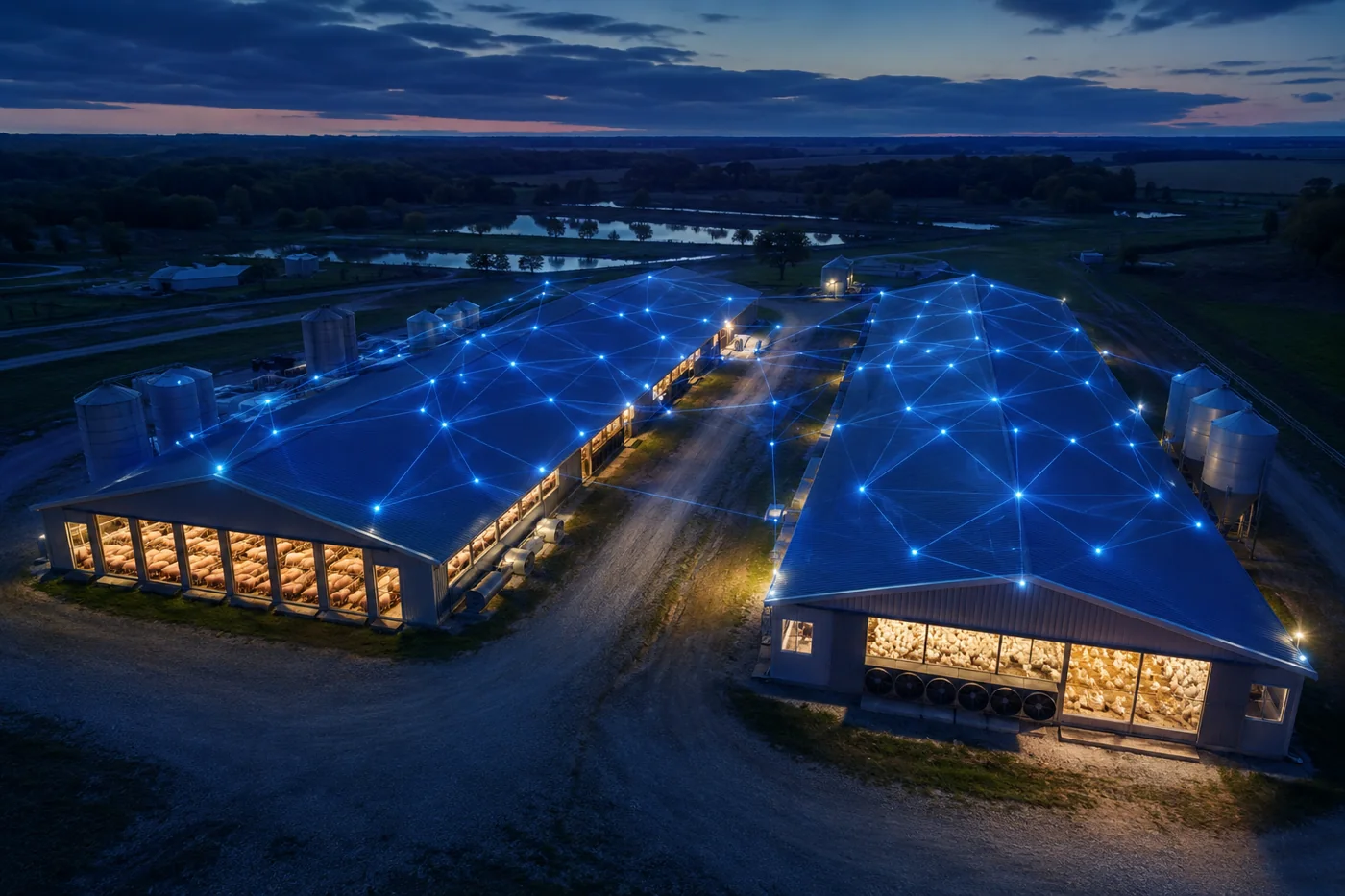

Amazinga amahlanu okuzimela kwepulazi
Njengamazinga okuzishayela aguqula izimoto - kodwa lawa esibaya. Izinga ngalinye liyisinyathelo eya emgomeni owodwa: umlimi ubeka inhloso - i-FCR engulubeni esivuthiwe, ukuphila endlini ye-broiler, izinga lokuzalela endlini yamaqanda - futhi ipulazi lithola indlela. I-L1-2 iwukuzenzakalela osungakuthenga noma kuphi - izikhathi ezimisiwe, izinzwa, amabhokisi esimo sezulu. I-L3 yilapho i-DeepLoop ikhona: isistimu efunda izilwane ngokwazo, izinsuku ngaphambi kweliso lomuntu - cishe akekho omunye owenza lokhu. I-L4-5 yilapho siya khona: ipulazi elizisebenzela, elizelapha futhi elizithuthukisa.
Isibaya osibonayo
Amakhamera nezinzwa ezikhalisa isexwayiso uma inombolo idlula umugqa. Sixhumana namabhrendi osewasebenzisa kade - ngakho ugcina izingxenyezimisha osuzethembile, futhi sakhela phezu kwazo.
Isibaya esisabelayo
Ukulawulwa kwemvelo okuzenzakalelayo - ukungenisa umoya, isimo sezulu, ukudlisa, amanzi nokunikeza imithi. Kujwayelekile futhi kusatshalaliswe kabanzi; sihlanganisa nabalingani abasunguliwe besimo sezulu nemishini esikhundleni sokukwakha kabusha.
Isibaya esibona ukugula
Ukuhluka kwesisindo, ukuhlokoma kokuphefumula, indlela yokuhamba yokuqhwala nokucindezeleka kokuziphatha kuvela izinsuku ngaphambi kokuba ukuhlola ngezandla kukubambe - isibhakabhaka sokulunya izikhuni esibanjwa lapha kuqala ukulunywa kwezikhuni, ukuqhwala kwezimpaphe okubanjwa ngaphambi kokuba kusabalale endlini yamaqanda, ukuphukela kokuphefumula okubanjwa ngaphambi kokuba kuhambe umhlambi we-broiler. Lokho kuwukufa okwehlile eqenjini ngalinye nokulahlwa okuncane ekuhlawulweni - umehluko phakathi komjikelezo omuhle nombi. Yilena ingxenye engakaze icatshangwe muntu. Ngaphansi kwakho kusebenza imodeli eyisisekelo yevidiyo eqeqeshwe ngokuziphatha kwemfuyo, ngakho ifunda ukuthi okujwayelekile kubukeka kanjani endlini yakho, hhayi elebhu.
Isibaya esenza imisebenzi
Umsebenzi wenyama wansuku zonke - ukuhlola, ukubutha okufile, ukuhlanza, ukubulala amagciwane - kuzenzakalelwa ngaphandle kokudinga ezinye izandla. Ukuthola abasebenzi bepulazi abahle sekunzima kakade; ku-L4, uyeka ukuncintisana ngabo.
Isibaya esizisebenzelayo
Isibaya siyaqhubeka sifunda ngokwaso futhi sithuthuka kokubili ezilwaneni nasezinombolweni. Iqembu ngalinye lisifundisa okuthile. Umlimi ubeka inhloso - i-FCR, izindleko nge-kg, izinga eliphansi lenhlalakahle - futhi ipulazi lithola indlela.
Ubani ochaze amazinga okuzimela kwepulazi?
I-DeepLoop ichaze lolu hlaka lwe-L1-L5 lokukhiqiza izilwane, sakhelwe emazingeni e-SAE okuzishayela okuzenzakalelayo, ukunika abakhiqizi ulimi olufanayo lokuchaza ukuthi isibaya sizimele kangakanani ngempela.
Ayimaphi amazinga amaningi amapulazi namuhla?
Amaningi amapulazi ezingulube nezinkukhu ohwebo asebenza ku-L1-L2: imithi yesikhathi, izinzwa nezilawuli zesimo sezulu ezigcina izilinganiso kodwa ezingafundi izilwane. Izinhlelo ze-L3 - ezizwisisa izilwane uqobo - yilapho i-DeepLoop isebenza khona.
Yini edingekayo ukuthuthela ku-L2 kuya ku-L3?
Amakhamera nesofthiwe ezifunda izilwane - inani, isisindo, ukuziphatha, ukusatshalaliswa - kanye nesizungu esiguqula ukutholakala kube amarekhodi nokulungiswa. Ayikho impahla eyisipesheli: amakhamera avamile athwala isendlalelo sonke sokuzwa.
I-L5 iyenzeka ngempela yini?
I-L5 - ipulazi elizisebenzelayo, elizelaphayo futhi elizithuthukisayo - yindlela, hhayi umkhiqizo osuthumela manje. Izinga ngalinye ngaphansi kwalo lithumela usizo lwalo, futhi injongo yesikali ukwazi ukuthi ukuphi nokuthi isinyathelo esilandelayo sikuthengiselani.