Ukuqapha Ukudlula Iintsiba Zeenkukhu
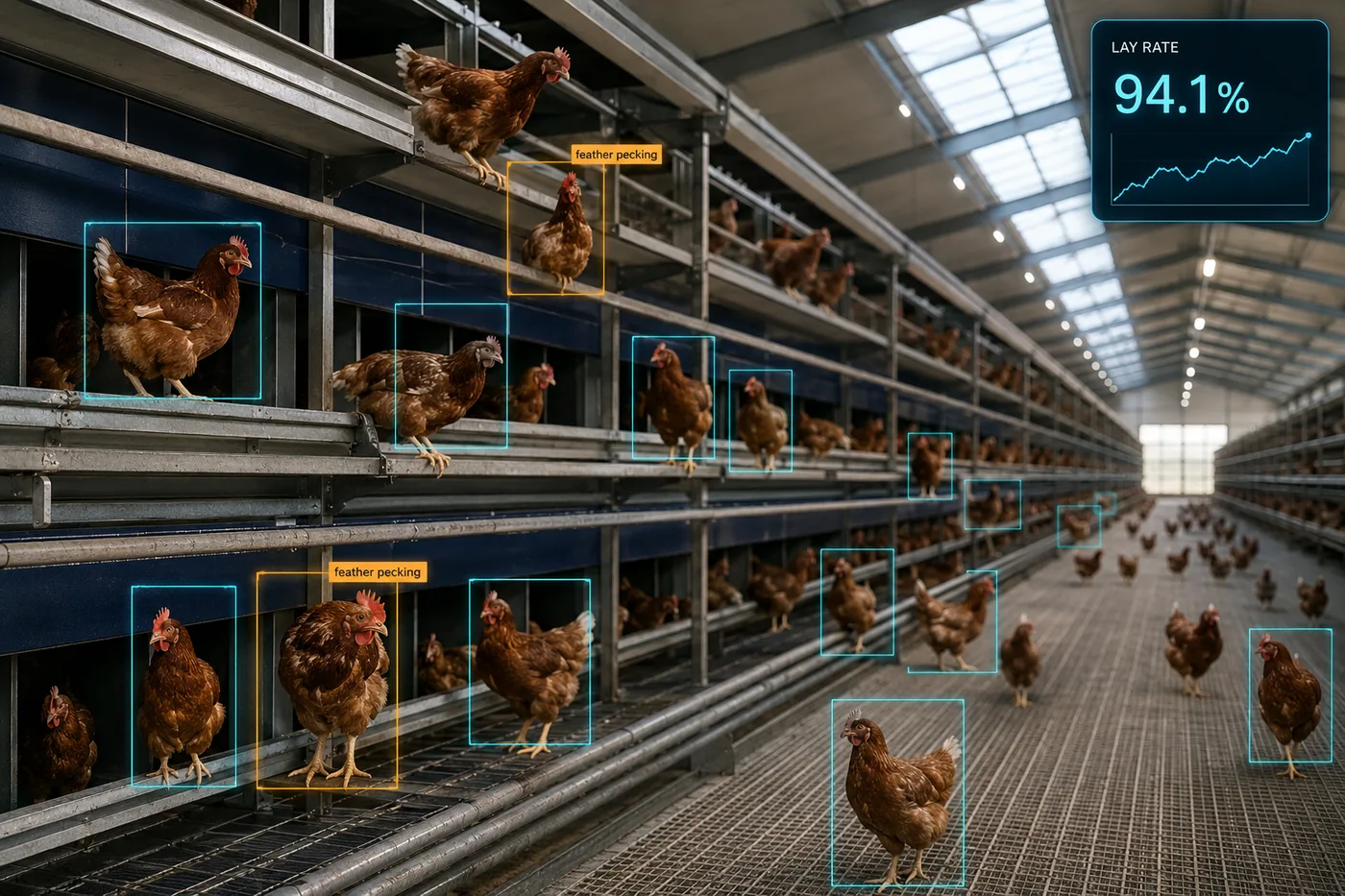
Ukuqapha ukudlula iintsiba zeenkukhu nge-AI kukhumbula iikhamera nezibonakaliso zekhompyutha ukujonga iqela ngalo thuba lonke-ukukrupha ukuqala ukudlula iintsiba, ingquma yokuqala zezinti ezimwe nokujika kwokusasaza okuthi ukudlula iintsiba kuqalile, phambi kokuba isasazeke kwaye phambi kokuba ixabiso lokujika lihleke. I-DeepLoop iqhuba ngokwekhamera ezisemgangathwenyo ozithembayo ngokwakho, kwaye iguza ujongano ngalunye abe nguphindo oluncinci, urekhodi lokufa kunye isihlanguliso sesixa sokujika.
Ukudlula iintsiba zeenkukhu kwiiqela zeeqadi ngumyalezo wokonza ubumonakalwane-kuqala ngeentsiba ezimbalwa, isasaza kwindlu, kwaye ngenxa yesixa ubuza kujonga ngokuhamba, ixabiso lokujika sele lihla kwinqanaba eliphezulu kwaye iingxaki zokuguqulwa kwesimo zibonakala xa kufakwa izixhobo. Amandla okwakha okuqala, iintsiba ezihlala kude kwicala, ingquma yentsiba yokulahleka kwiiqadi ezimbalwa: laa ngamaphetha anokufanelekile, kwaye lulula ukukhawula xa ujonga ngesihlwa. Ukuqapha kuja iintsiba zoke, onke amaxesha, kwaye kuphawule laa maphela ngelixa unokwa noko ixesha lokungeniswa.
Into ezojongo
Ukusasaza ngokuphela kwendlu, ukunyuka kwentsiba kwindlela yokuhamba, uphawu lweentsiba ezihlala, ukutya kunye nosetyenziswa kwamanzi, isenzo sokufihla iinqaba kunye namaqanda omanzi. Amaphepha akuqala kokudlula iintsiba, isithundu seqela esakhiwa, okanye amaqanda omanzi akhula-kubonakala apha phambi kokuba afike kwisiphelo semini leegepha lakho lemihla.
Olo wazisa enjeni
Ujongo akungabi nje sisilumkiso. Isiphene sokudlula iintsiba sibeka usayizi woluntu lweqela,uhlazise amarekhodi okufa, uphinde ubale ixabiso lokujika kwiiqadi kwaye uwaxehele iqanda eliqinisekisiweyo, kwaye unike ingcamango yommandla, ukukhanya kunneenkathalo zembe emva kolwango ngamava alinqumlabo aqulathiweyo akwindlu-jonga, qonda, gqiba, yenza, ufunde.
Zimalini
Akukho xhobo esithengiswayo nesiphuzo kwixhobo. Ufumana uluhlu olunzima lwekhamera ezisemgangathwenyo nezinxalenye zenethiwekhi, uzithume ngokwakho kumnini ungasoyi mthengi ngexabiso, kwaye uhlawule ukufakelwa kwedonga encinci ngqo ngendlu-kungaphakathi kwandla lomsebenzisi woluntfu olungunqamanozo, awungo nje indonga enamatelekile anokuhlanganiswa.
Ukuqapha ukudlula iintsiba nge-AI vs ukuhamba ukuhlola iindlu
| Ukuhamba ukuhlola iindlu | Ukuqapha ukudlula iintsiba ze-DeepLoop |
|---|---|
| Iyahamba ngqo ukuhlola indlu kanye namanye amaxesha omini | Ijonga iintsiba zoke ngalo lonke ixesha, imini noubusika |
| Ukudlula iintsiba kuqaphwa kuphela xa amacala aza nkqo | Ukuqala ukudlula iintsiba kuqaphwa phambi kokuba isasazeke |
| Amanqanda omanzi aboniswa kusiphelo semini | Ukukhuka kwamanqanda omanzi kuqaphwa xa kuqala |
| Ixabiso lokujika kuqaphwa xa kufakwa izixhobo | Ixabiso lokujika kunye neengxaki zokuguqulwa kwesimo zihlazwa ngokuhamba |
Ingaba ndifuna iikhamera ezikhethekileyo zokuhlala iinqawe zeeqadi?
Hayi. I-DeepLoop iqhuba ngokwekhamera ezisemgangathwenyo ezithengiswayo. Ufumana uluhlu loomda kwaye uthenge kumnini ungasoyi mthengi-akukho khonaksiwana ezikhethekileyo, akukho mthetho wokuthengisa, akukho phuzo.
Ingaba isebenza kwiinkqubo ezingerqondo ezininzi?
Iindlu zeeqadi ezingqameliyo neqela lee-avariyazi zeeqadi ziintshukumo-apho ukudlula iintsiba, amaqanda omanzi kunye nokujike kwesixa sokujika kuxabise kakhulu. Iikhamera ezinye kunye nomjikelo ofakiweyo ukuhlala awusike kwiinkqubo ezibuthuye zeqela.
Inkakanini ingakhupha ukudlula iintsiba kuqala?
Ukusasaza, ukunyuka kunye namaphetha okuhlala iintsiba ziboniswa iintsuku ziimini kokuba amacala aza nkqo angabonakalangxa xa ujonga ngokuhamba-kwanele ukulungisa ukukhanya, ummandla okanye ukutya phambi kokuba ixabiso lokujika lihleke.
Ingaba ibeka isiti sabasebenzi basekhaya?
Hayi. Isusa ubuqhetseba bokujonga ukuze abantu bakho basebenzise amaxesha akho kwiintsiba ezifuna ujongano. Iingxelo zifika nendlela ephazwekileyo, oko kuqala abasebenzi ukuba bazosebenza ngenkcazelo eyaneleye.