ระดับความเป็นอัตโนมัติของฟาร์ม L1-L5
ระดับความเป็นอัตโนมัติของฟาร์มคือสเกลห้าระดับสำหรับการปศุสัตว์ สร้างขึ้นตามระดับขับเคลื่อนอัตโนมัติที่ปฏิวัติอุตสาหกรรมยานยนต์ L1-L2 คือระบบอัตโนมัติที่คุณซื้อได้แล้ววันนี้-ตัวจับเวลา เซ็นเซอร์ ตัวควบคุมสภาพอากาศ L3 คือระบบที่อ่านสัตว์เองและทำตามสิ่งที่เห็น L4-L5 คือฟาร์มที่ขับเคลื่อน ซ่อมแซม และปรับปรุงตัวเอง กรอบงานนี้กำหนดโดย DeepLoop สำหรับการเลี้ยงสุกร ไก่เนื้อ และไก่ไข่
ทุกระดับตอบคำถามเดียว: ในลูปประจำวัน-สังเกต เข้าใจ ตัดสินใจ ลงมือ เรียนรู้-มีส่วนใดที่หมุนโดยไม่ต้องมีคน ผู้เลี้ยงตั้งเป้าหมาย (FCR ของสุกรขุน อัตราการมีชีวิตรอดของโรงเรือนไก่เนื้อ อัตราการวางไข่ของโรงเรือนไก่ไข่); ทุกระดับที่เพิ่มขึ้น ฟาร์มจะค่อย ๆ หาทางเองได้มากขึ้น สเกลด้านล่างคือกรอบงานฉบับเต็ม
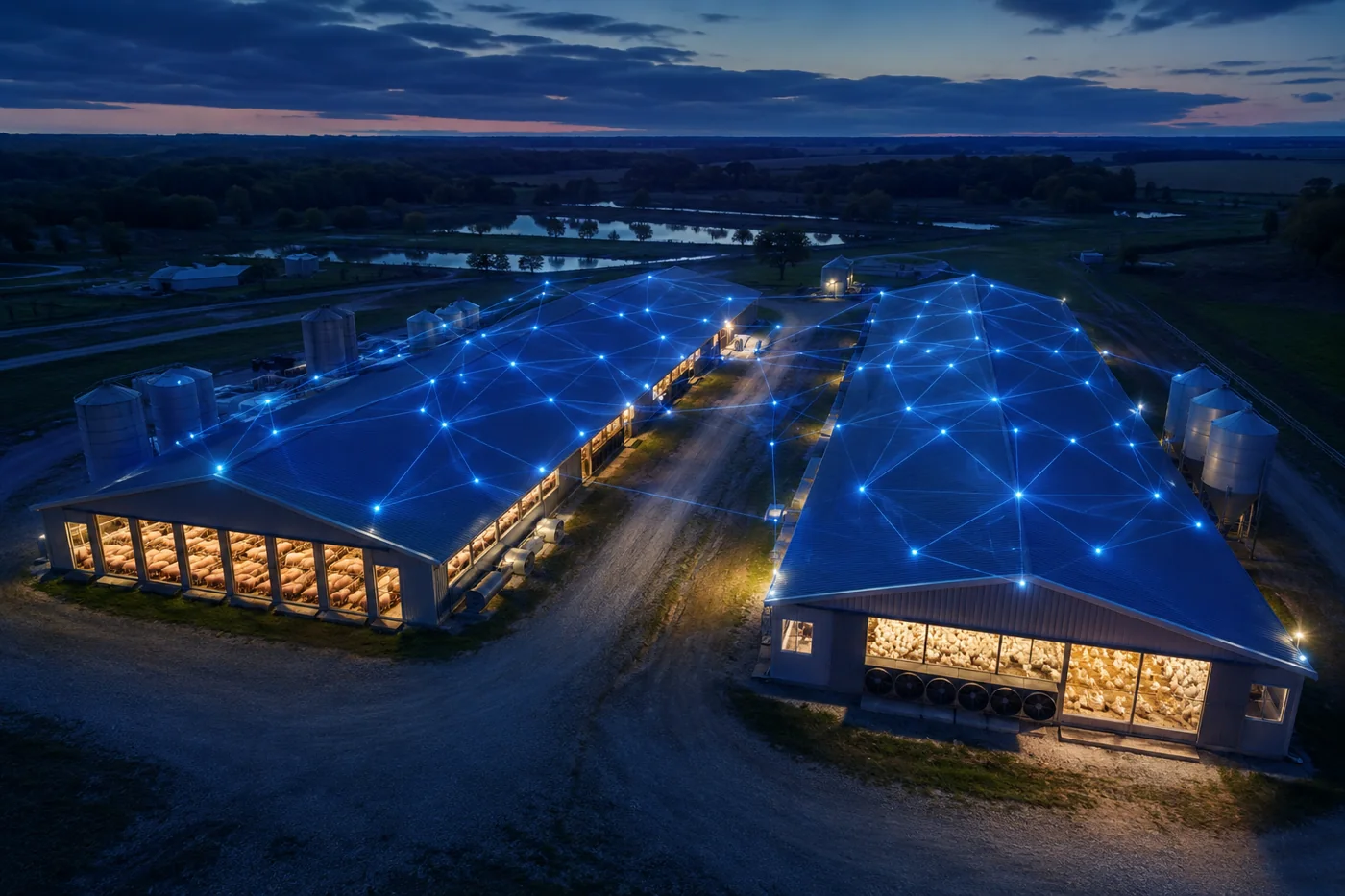

ระบบอัตโนมัติของฟาร์มห้าระดับ
เหมือนระดับรถขับเคลื่อนอัตโนมัติที่พลิกโฉมวงการรถยนต์ - แต่คราวนี้เป็นเรื่องของโรงเรือน แต่ละระดับคือก้าวสู่เป้าหมายเดียวกัน คือ เกษตรกรตั้งเป้า - FCR ของสุกรขุน อัตราการรอดในโรงเรือนไก่เนื้อ อัตราการให้ไข่ในโรงเรือนแม่ไก่ไข่ - แล้วให้ฟาร์มหาทางไปให้ถึง L1-2 คือระบบอัตโนมัติที่หาซื้อได้ทั่วไปอยู่แล้ว - ตัวตั้งเวลา เซ็นเซอร์ กล่องควบคุมสภาพอากาศ L3 คือจุดที่ DeepLoop อยู่ - ระบบที่อ่านตัวสัตว์เองได้ล่วงหน้าหลายวันก่อนสายตาคน - แทบไม่มีใครทำได้ขนาดนี้ L4-5 คือทิศทางที่เรากำลังมุ่งไป คือฟาร์มที่เดินเครื่อง เยียวยา และพัฒนาตัวเองได้
โรงเรือนที่คุณมองเห็นได้
กล้องและเซ็นเซอร์ที่ส่งสัญญาณเตือนเมื่อตัวเลขเกินเกณฑ์ที่ตั้งไว้ เราเชื่อมต่อกับแบรนด์ที่คุณใช้อยู่แล้ว - เพื่อให้คุณยังคงใช้ฮาร์ดแวร์ที่คุณไว้ใจอยู่เดิม แล้วเราสร้างต่อยอดขึ้นไปจากนั้น
โรงเรือนที่ตอบสนองได้เอง
การควบคุมสิ่งแวดล้อมอัตโนมัติ - การระบายอากาศ สภาพอากาศ การให้อาหาร น้ำ และการจ่ายยา เป็นที่นิยมและใช้กันแพร่หลาย เราบูรณาการกับพันธมิตรด้านสภาพอากาศและอุปกรณ์ที่มีอยู่แทนที่จะสร้างใหม่
โรงเรือนที่จับความป่วยได้
น้ำหนักที่เพี้ยนไป เสียงราลในระบบหายใจ ท่าเดินขาเป๋ และความเครียดทางพฤติกรรม ปรากฏให้เห็นล่วงหน้า วันก่อนที่การตรวจด้วยคนจะจับได้ - การระบาดของการกัดหางที่จับได้ตั้งแต่หางแรกที่ถูกกัด การจิกขนที่จับได้ก่อนลามไปทั่วโรงเรือนแม่ไก่ไข่ การระบาดในระบบหายใจที่จับได้ก่อนลุกลามไปทั้งฝูงไก่เนื้อ นั่นคืออัตราการตายต่อรุ่นที่ลดลง และการตัดทิ้งที่น้อยลงตอนชำระบัญชี - ความต่างระหว่างรอบที่ดีกับรอบที่แย่ นี่คือส่วนที่ยังไม่มีใครทำได้ เบื้องหลังคือโมเดลพื้นฐานด้านวิดีโอที่ฝึกด้วยพฤติกรรมปศุสัตว์ จึงเรียนรู้ว่าสภาพปกติในโรงเรือนของคุณเป็นอย่างไร ไม่ใช่ในห้องแล็บ
โรงเรือนที่ทำงานจุกจิกแทนคุณ
งานแรงงานประจำวัน - ตรวจตรา เก็บซากสัตว์ตาย ทำความสะอาด ฆ่าเชื้อ - ถูกจัดการโดยไม่ต้องหาคนเพิ่ม การหาคนงานฟาร์มที่ดีก็ยากอยู่แล้ว พอถึง L4 คุณก็เลิกต้องแย่งคนงานกับใคร
โรงเรือนที่เดินเครื่องเอง
โรงเรือนเรียนรู้ด้วยตัวเองต่อไปเรื่อย ๆ และดีขึ้นทั้งเรื่องสัตว์และตัวเลข ทุกรุ่นสอนอะไรบางอย่างให้มัน เกษตรกรตั้งเป้า - FCR ต้นทุนต่อกิโลกรัม เกณฑ์ขั้นต่ำด้านสวัสดิภาพ - แล้วฟาร์มหาทางไปให้ถึงเอง
ใครเป็นผู้กำหนดระดับความเป็นอัตโนมัติของฟาร์ม?
DeepLoop กำหนดกรอบ L1-L5 นี้สำหรับการปศุสัตว์ โดยใช้ระดับการขับขี่อัตโนมัติ SAE เป็นแบบอย่าง เพื่อให้ผู้ผลิตมีภาษาร่วมกันในการบอกว่าโรงเรือนหนึ่ง ๆ มีความเป็นอัตโนมัติแค่ไหน
ฟาร์มส่วนใหญ่ในปัจจุบันอยู่ระดับใด?
ฟาร์มสุกรและสัตว์ปีกเชิงพาณิชย์ส่วนใหญ่ดำเนินงานที่ L1-L2: ตัวจับเวลา เซ็นเซอร์ และตัวควบคุมสภาพอากาศที่รักษาเซ็ตพอยต์แต่ไม่อ่านสัตว์ ระบบ L3-ที่เข้าใจตัวสัตว์เอง-คือจุดที่ DeepLoop ทำงานอยู่
ต้องการอะไรในการขยับจาก L2 ไป L3?
กล้องและซอฟต์แวร์ที่อ่านสัตว์-นับ ชั่งน้ำหนัก พฤติกรรม การกระจายตัว-พร้อมลูปที่เปลี่ยนการตรวจจับให้กลายเป็นระเบียนและการปรับแก้ ไม่ต้องใช้ฮาร์ดแวร์เฉพาะ: กล้องมาตรฐานแบกภาระชั้นเซ็นเซอร์ทั้งหมดได้
L5 เป็นไปได้จริงหรือไม่?
L5-ฟาร์มที่ขับเคลื่อน ซ่อมแซม และปรับปรุงตัวเอง-เป็นทิศทาง ไม่ใช่ผลิตภัณฑ์ที่ส่งมอบ แต่ละระดับที่อยู่ข้างใต้ส่งมอบคุณค่าด้วยตัวมันเอง; ประเด็นของสเกลคือการรู้ว่าคุณอยู่ที่ไหน และขั้นต่อไปจะซื้ออะไรให้คุณ