பண்ணை சுயாட்சியின் L1-L5 நிலைகள்
பண்ணை சுயாட்சியின் நிலைகள் என்பது கால்நடை வேளாண்மைக்கான ஐந்து-நிலை அளவுகோல், வாகனங்களை மறுவடிவமைத்த சுய-ஓட்டு நிலைகளை மாதிரியாகக் கொண்டது. L1-L2 என்பது நீங்கள் ஏற்கனவே வாங்கக்கூடிய ஆட்டோமேஷன் - டைமர்கள், சென்சார்கள், காலநிலை கட்டுப்பாட்டாளர்கள். L3 என்பது விலங்குகளையே படிக்கும் மற்றும் அது பார்ப்பதற்கு ஏற்ப செயல்படும் ஒரு அமைப்பு. L4-L5 என்பது தானே இயங்கி, குணமாகி மேம்படும் பண்ணை. இந்த கட்டமைப்பு பன்றி, இறைச்சி கோழி மற்றும் முட்டை கோழி உற்பத்திக்காக DeepLoop ஆல் வரையறுக்கப்பட்டது.
ஒவ்வொரு நிலையும் ஒரு கேள்விக்கு பதிலளிக்கிறது: அன்றாட வளையத்தில் - கவனி, புரி, முடிவு செய், செயல்படு, கற்றுக்கொள் - எவ்வளவு நபர் இல்லாமல் இயங்குகிறது. விவசாயி இலக்கை அமைக்கிறார் (பன்றி முடிப்பானில் FCR, இறைச்சி கோழி கூடத்தில் உயிர்வாழ்திறன், முட்டை கோழி கூடத்தில் முட்டையிடும் விகிதம்); ஒவ்வொரு நிலை மேலே, பண்ணை தானாகவே அதிக வழியைக் கண்டுபிடிக்கிறது. கீழே உள்ள அளவுகோல் முழு கட்டமைப்பு.
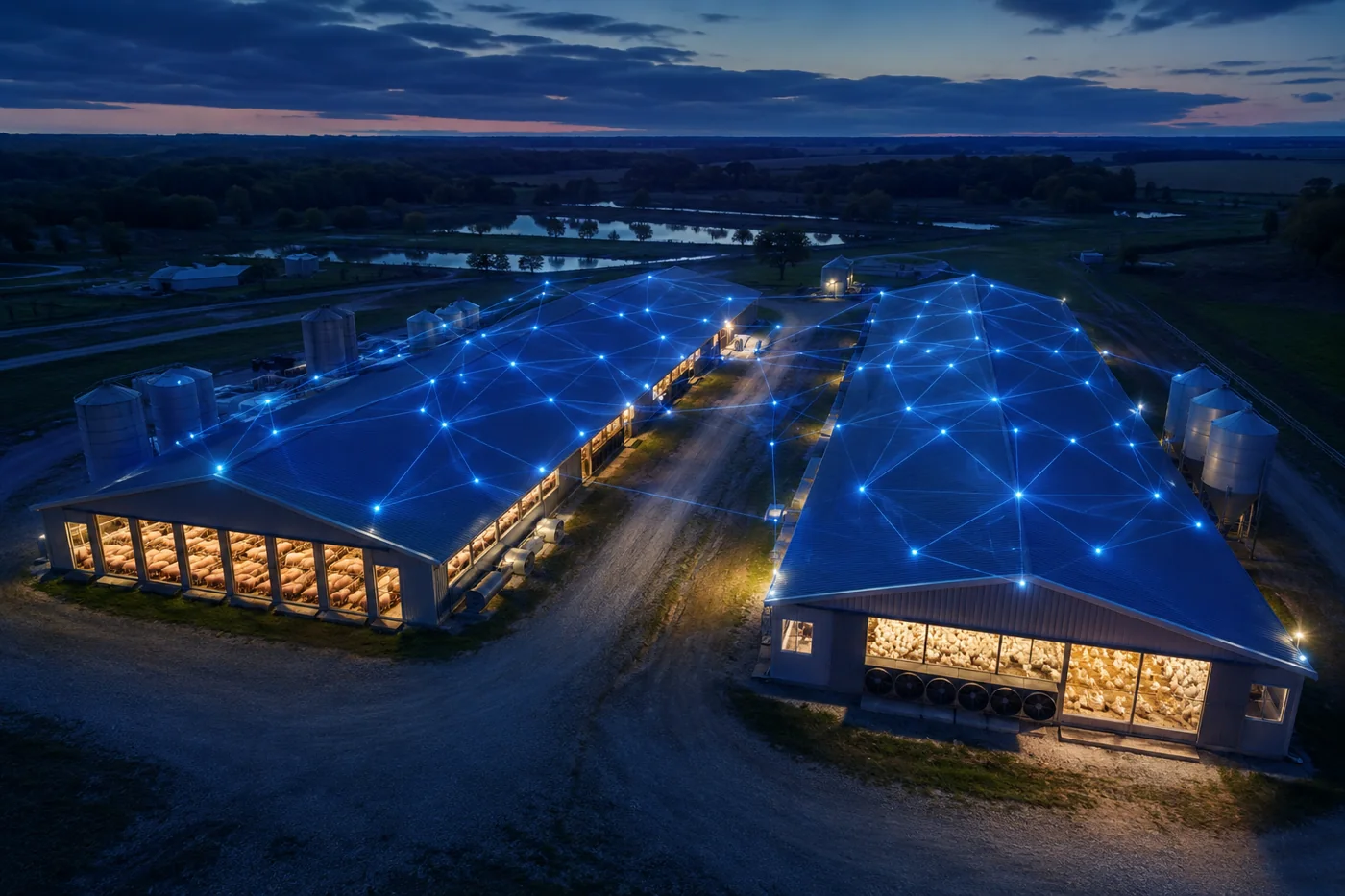

பண்ணை தன்னாட்சியின் ஐந்து நிலைகள்
வாகனங்களை மறுவடிவமைத்த தன்னாட்சி ஓட்டுநிலைகளைப் போல - ஆனால் கொட்டகைக்காக. ஒவ்வொரு நிலையும் ஒரே இலக்கை நோக்கிய ஒரு படி: விவசாயி இலக்கை அமைக்கிறார் - பன்றி முடிப்பானில் FCR, பிராய்லர் கூடத்தில் உயிர்வாழ்திறன், லேயர் கூடத்தில் முட்டையிடும் விகிதம் - பண்ணை வழியைக் கண்டுபிடிக்கிறது. L1-2 என்பது நீங்கள் எங்கும் ஏற்கனவே வாங்கக்கூடிய தானியக்கம் - டைமர்கள், சென்சார்கள், தட்பவெப்பநிலை பெட்டிகள். L3 என்பது DeepLoop வாழும் இடம்: விலங்குகளையே படிக்கும் ஒரு அமைப்பு, மனிதக் கண்ணுக்கு நாட்கள் முன்பே - வேறு யாரும் கிட்டத்தட்ட இதைச் செய்வதில்லை. L4-5 என்பது நாங்கள் நோக்கிச் செல்லும் இடம்: தானே இயங்கி, குணமாகி, மேம்படும் பண்ணை.
நீங்கள் பார்க்கக்கூடிய கொட்டகை
ஒரு எண் எல்லையைக் கடக்கும்போது அலாரம் அடிக்கும் கேமராக்களும் சென்சார்களும். நீங்கள் ஏற்கனவே பயன்படுத்தும் பிராண்டுகளுடன் நாங்கள் இணைகிறோம் - எனவே நீங்கள் ஏற்கனவே நம்பும் வன்பொருளை வைத்திருக்கிறீர்கள், அதன் மேல் நாங்கள் கட்டமைக்கிறோம்.
எதிர்வினையாற்றும் கொட்டகை
தானியக்க சுற்றுச்சூழல் கட்டுப்பாடு - காற்றோட்டம், தட்பவெப்பநிலை, தீவனம், நீர் மற்றும் மருந்தளவு. பொதுவான மற்றும் பரவலாக பயன்படுத்தப்பட்டது; நாங்கள் அதை மீண்டும் கட்டமைப்பதற்குப் பதிலாக நிறுவப்பட்ட தட்பவெப்பநிலை மற்றும் உபகரண பங்காளர்களுடன் ஒருங்கிணைக்கிறோம்.
நோயைப் பிடிக்கும் கொட்டகை
எடை மாற்றங்கள், சுவாச சத்தங்கள், நொண்டி நடை மற்றும் நடத்தை மன அழுத்தம் கைமுறை ஆய்வு பிடிப்பதற்கு நாட்களுக்கு முன்பே வெளிப்படுகின்றன - முதல் கடித்த வால்களிலேயே பிடிக்கப்படும் ஒரு வால்-கடித்தல் வெடிப்பு, இறகு-கொத்துதல் லேயர் கூடம் முழுவதும் பரவுவதற்கு முன்பே பிடிக்கப்படுகிறது, ஒரு சுவாச முறிவு பிராய்லர் மந்தையை ஆட்டிப்படைப்பதற்கு முன்பே பிடிக்கப்படுகிறது. இது ஒரு தொகுதிக்கு குறைந்த இறப்பு மற்றும் தீர்வில் குறைவான நிராகரிப்புகள் - ஒரு நல்ல சுழற்சிக்கும் ஒரு மோசமான சுழற்சிக்கும் இடையிலான வேறுபாடு. இதை வேறு யாரும் இன்னும் சரியாகச் செய்யவில்லை. அதன் அடியில் கால்நடை நடத்தையில் பயிற்றுவிக்கப்பட்ட ஒரு வீடியோ அடிப்படை மாதிரி இயங்குகிறது; எனவே ஆய்வகத்தில் அல்ல, உங்கள் கொட்டகையில் இயல்பானது எப்படி இருக்கும் என்பதை அது கற்கிறது.
வேலைகளைச் செய்யும் கொட்டகை
வழக்கமான உடல் உழைப்பு - ஆய்வு, இறப்பு சேகரிப்பு, சுத்தம் செய்தல், கிருமி நீக்கம் - கூடுதல் கைகள் தேவையில்லாமல் கையாளப்படுகிறது. நல்ல பண்ணைத் தொழிலாளர்களைக் கண்டுபிடிப்பது ஏற்கனவே கடினம்; L4-இல், நீங்கள் அவர்களுக்காகப் போட்டியிடுவதை நிறுத்துகிறீர்கள்.
தானே இயங்கும் கொட்டகை
கொட்டகை தொடர்ந்து தானாகவே கற்றுக்கொண்டு, விலங்குகளிலும் எண்களிலும் சிறப்பாகிறது. ஒவ்வொரு தொகுதியும் அதற்கு ஏதாவது கற்றுக்கொடுக்கிறது. விவசாயி இலக்கை அமைக்கிறார் - FCR, கிலோவிற்கு செலவு, நலன் தளம் - பண்ணை பாதையைக் கண்டுபிடிக்கிறது.
பண்ணை சுயாட்சியின் நிலைகளை யார் வரையறுத்தனர்?
DeepLoop கால்நடை உற்பத்திக்கான இந்த L1-L5 கட்டமைப்பை வரையறுத்தது, ஓட்ட ஆட்டோமேஷனின் SAE நிலைகளை மாதிரியாகக் கொண்டது, ஒரு கொட்டகை உண்மையில் எவ்வளவு சுயாட்சி கொண்டது என்பதற்கு உற்பத்தாளர்களுக்கு ஒரு பொது மொழியை வழங்க.
இன்றைய பெரும்பாலான பண்ணைகள் எந்த நிலையில் உள்ளன?
பெரும்பாலான வணிக பன்றி மற்றும் கோழி பண்ணைகள் L1-L2 இல் இயங்குகின்றன: அமைப்புப்புள்ளிகளை வைத்திருக்கும் ஆனால் விலங்குகளைப் படிப்பதில்லை டைமர்கள், சென்சார்கள் மற்றும் காலநிலை கட்டுப்பாட்டாளர்கள். விலங்குகளையே புரிந்துகொள்ளும் L3 அமைப்புகள் - DeepLoop இயங்கும் இடம்.
L2-இலிருந்து L3-க்கு செல்ல என்ன தேவை?
விலங்குகளைப் படிக்கும் கேமராக்கள் மற்றும் மென்பொருள் - எண்ணிக்கை, எடை, நடத்தை, பரவல் - கண்டறிதல்களை பதிவுகள் மற்றும் சரிசைகளாக மாற்றும் வளையம். உரிமையான வன்பொருள் இல்லை: நிலையான கேமராக்கள் முழு உணரும் அடுக்கை எடுத்துச் செல்கின்றன.
L5 யத்தில் சாத்தியமானதா?
L5 - தானே இயங்கி, குணமாகி மேம்படும் பண்ணை - ஒரு திசை, அனுப்பப்படும் தயாரிப்பு அல்ல. அதற்கு கீழே உள்ள ஒவ்வொரு நிலையும் தன் தனியாக மதிப்பை வழங்குகிறது; அளவுகோலின் புள்ளி நீங்கள் எங்கே இருக்கிறீர்கள் மற்றும் அடுத்த படி என்ன தருகிறது என்பதை அறிவதே.