ລະດັບ L1-L5 ຂອງການດຳເນີນການຂອງຟາມ
ລະດັບຂອງການດຳເນີນການຂອງຟາມເປັນລະດັບຫ້າລະດັບສຳລັບການລ້ຽງສັດ, ແານນຳຕົວແໍຈລະດັບການຂັບລົດອັດຕະໂນມັດທີ່ປ່ຽນວົກການລົດ. L1-L2 ເປັນການອັດຕະໂນມັດທີ່ທ່ານສາມາດຊື້ໄ້າໄໝ - ໂົວຈັບເວລາ, ເຊັນເຊີ, ກ່ອງຄວບຄຸມສະພາພະນາກາດ. L3 ເປັນລະບົບທີ່ອ່ານສັດລ້ຽງຂອງມັນເອງ ແານດຳເນີນການຕາມສິ່ງທີ່ມັນເຫັນ. L4-L5 ເປັນຟາມທີ່ດຳເນີນການ, ຮັກສາແຽດການ ແາພັດທະນາຕົນເອງ. ໂົາມນີ້ຖືກກຳນາດໂດຍ DeepLoop ສຳລັບການຜະລິດຫມູ, ໄກ່ຊີ້ນ ແານໄກ່ໄຂ່.
ທຸກລະດັບຕອບຄຳຖາມທີ່ດຽວ: ວົງຈອນປະຈຳວັນຂອງວັນ - ເຝົ້າເບິ່ງ, ເຂົ້າໃຈ, ຕັດສິນໃຈ, ລົງມືເຮັດ, ຮຽນຮູ້ - ເຮັດວຽກໂອບໂອບບໍ່ມີຄົນ. ຜູ້ລ້ຽງສັດຕັ້ງເປົ້າໝາຍ (FCR ໃນຟາມຫມູເພາກຂັນ, ອັດຕາລອດຊີວິດໃນຟາມໄກ່ເນື້ອ, ອັດຕາການໄ້າໃນຟາມໄກ່ໄຂ່); ທຸກລະດັບທີ່ເພີ່ມຂຶ້ນ, ຟາມຈະຊອກຫາທາງຕົນເອງເລີ່ຂຶ້ນ. ມາດາຕາຂ້າງລຸ່ງເປັນໂົາມສະໝີດ.
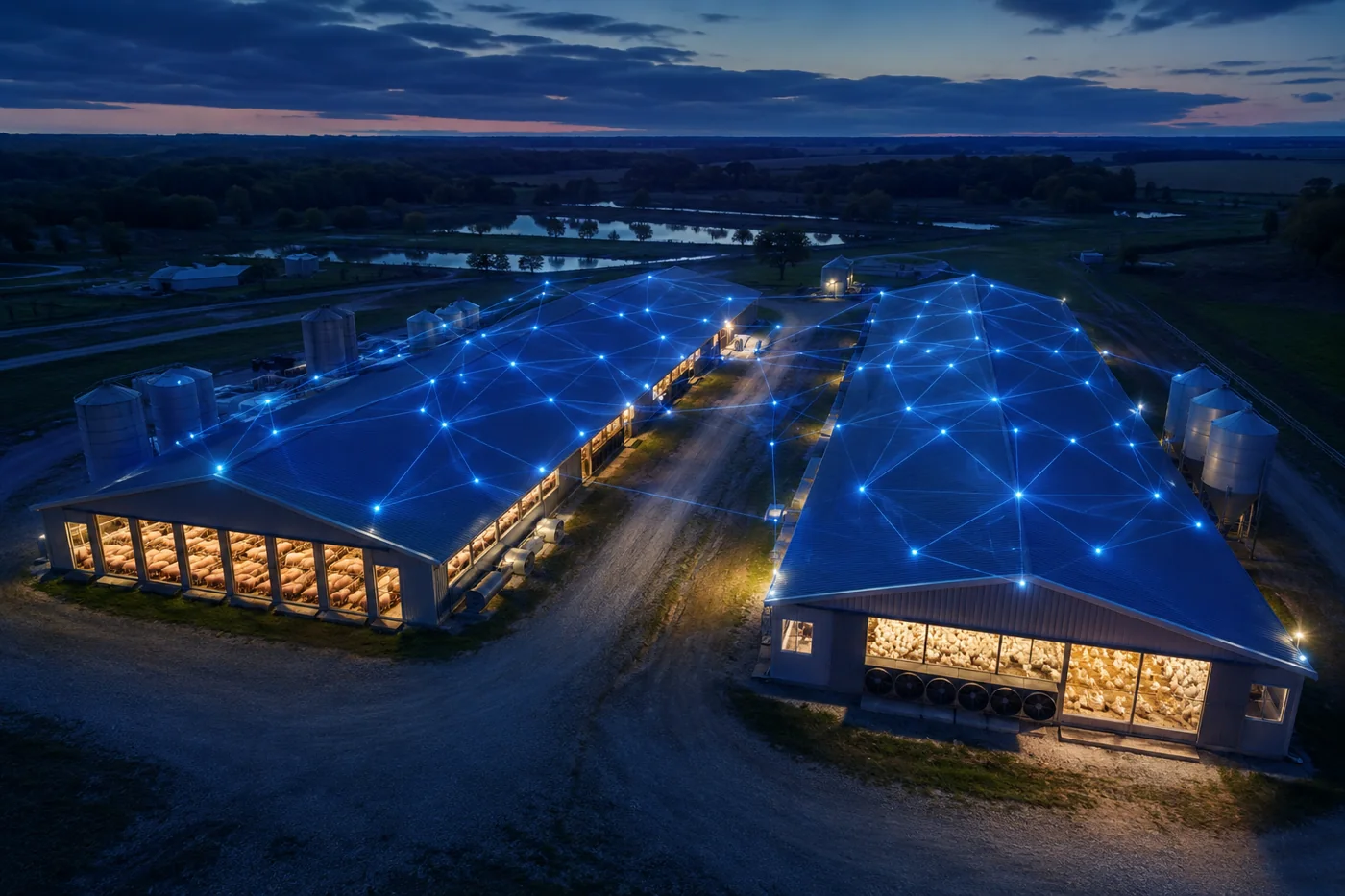

ຫ້າລະດັບຂອງການເຮັດວຽກອັດຕະໂນມັດຂອງຟາມ
ຄືກັບລະດັບການຂັບລົດອັດຕະໂນມັດທີ່ປ່ຽນວົງການລົດ - ແຕ່ສຳລັບເລົ້າ. ແຕ່ລະລະດັບເປັນບາດກ້າວໄປສູ່ເປົ້າໝາຍດຽວ: ຊາວຟາມຕັ້ງເປົ້າໝາຍ - FCR ໃນໝູຂຸນ, ການລອດຊີວິດໃນເລົ້າໄກ່ເນື້ອ, ອັດຕາການໄຂ່ໃນເລົ້າໄກ່ໄຂ່ - ແລ້ວຟາມຫາທາງເອງ. L1-2 ຄືການອັດຕະໂນມັດທີ່ຫາຊື້ໄດ້ຢູ່ບ່ອນໃດກໍໄດ້ຢູ່ແລ້ວ - ໂມງຈັບເວລາ, ເຊັນເຊີ, ກ່ອງຄວບຄຸມສະພາບອາກາດ. L3 ຄືບ່ອນທີ່ DeepLoop ຢູ່: ລະບົບທີ່ອ່ານໂຕສັດເອງ, ຫຼາຍມື້ກ່ອນຕາຄົນ - ເກືອບບໍ່ມີໃຜອື່ນເຮັດແບບນີ້. L4-5 ຄືທິດທາງທີ່ພວກເຮົາກຳລັງໄປ: ເລົ້າທີ່ດຳເນີນການ, ປິ່ນປົວ ແລະ ພັດທະນາຕົວເອງ.
ເລົ້າທີ່ທ່ານເບິ່ງເຫັນໄດ້
ກ້ອງ ແລະ ເຊັນເຊີທີ່ດັງເຕືອນເມື່ອຕົວເລກຂ້າມເສັ້ນ. ພວກເຮົາເຊື່ອມຕໍ່ກັບແບຣນທີ່ທ່ານໃຊ້ຢູ່ແລ້ວ - ດັ່ງນັ້ນທ່ານຮັກສາອຸປະກອນທີ່ທ່ານໄວ້ໃຈຢູ່ແລ້ວ, ແລະ ພວກເຮົາສ້າງຕໍ່ໄປເທິງມັນ.
ເລົ້າທີ່ຕອບສະໜອງ
ການຄວບຄຸມສະພາບແວດລ້ອມແບບອັດຕະໂນມັດ - ການລະບາຍອາກາດ, ສະພາບອາກາດ, ການໃຫ້ອາຫານ, ນ້ຳ ແລະ ການໃຫ້ຢາ. ທົ່ວໄປ ແລະ ນຳໃຊ້ຢ່າງກວ້າງຂວາງ; ພວກເຮົາເຊື່ອມຕໍ່ກັບຄູ່ຮ່ວມງານດ້ານສະພາບອາກາດ ແລະ ອຸປະກອນທີ່ສ້າງມາແລ້ວ ແທນທີ່ຈະສ້າງມັນຄືນໃໝ່.
ເລົ້າທີ່ຈັບອາການເຈັບປ່ວຍ
ນ້ຳໜັກຜິດປົກກະຕິ, ສຽງຄຣອກໃນທາງເດີນຫາຍໃຈ, ການຍ່າງຂາເສຍ ແລະ ຄວາມເຄັ່ງຕຶງທາງພຶດຕິກຳ ປະກົດຂຶ້ນ ມື້ ກ່ອນທີ່ການກວດດ້ວຍຄົນຈະຈັບໄດ້ - ການລະບາດການກັດຫາງໝູທີ່ຈັບໄດ້ນັບແຕ່ຫາງໝູໂຕທຳອິດຖືກກັດ, ການຈິກຂົນທີ່ຈັບໄດ້ກ່ອນທີ່ມັນຈະແຜ່ລາມໄປທົ່ວເລົ້າໄກ່ໄຂ່, ການລະບາດທາງເດີນຫາຍໃຈທີ່ຈັບໄດ້ກ່ອນທີ່ມັນຈະລາມໄປທົ່ວຝູງໄກ່ເນື້ອ. ນັ້ນຄືການຕາຍຕ່ຳລົງ ຕໍ່ຊຸດການຜະລິດ ແລະ ການຄັດອອກໜ້ອຍລົງໃນການຊຳລະບັນຊີ - ຄວາມແຕກຕ່າງລະຫວ່າງຮອບທີ່ດີ ກັບ ຮອບທີ່ບໍ່ດີ. ນີ້ຄືສ່ວນທີ່ບໍ່ມີໃຜອື່ນເຮັດໄດ້. ຢູ່ເບື້ອງລຸ່ມແມ່ນໂມເດວພື້ນຖານວິດີໂອທີ່ຝຶກດ້ວຍພຶດຕິກຳຂອງສັດລ້ຽງ ດັ່ງນັ້ນມັນຈຶ່ງຮຽນຮູ້ວ່າສະພາບປົກກະຕິໃນເລົ້າຂອງທ່ານເປັນແນວໃດ ບໍ່ແມ່ນໃນຫ້ອງທົດລອງ.
ເລົ້າທີ່ເຮັດວຽກແທນ
ວຽກກາຍະພາບປະຈຳ - ການກວດກາ, ການເກັບສັດຕາຍ, ການທຳຄວາມສະອາດ, ການຂ້າເຊື້ອ - ຖືກຈັດການໂດຍບໍ່ຕ້ອງມີຄົນເພີ່ມ. ການຫາຄົນງານຟາມທີ່ດີກໍຍາກຢູ່ແລ້ວ; ທີ່ L4, ທ່ານຢຸດແຂ່ງຫາພວກເຂົາ.
ເລົ້າທີ່ດຳເນີນການເອງ
ເລົ້າຍັງຮຽນຮູ້ຢູ່ຕະຫຼອດ ແລະ ດີຂຶ້ນທັງດ້ານໂຕສັດ ແລະ ຕົວເລກ. ທຸກຊຸດການຜະລິດສອນມັນຫຍັງໜຶ່ງ. ຊາວຟາມຕັ້ງເປົ້າໝາຍ - FCR, ຄ່າໃຊ້ຈ່າຍຕໍ່ກິໂລ, ມາດຕະຖານສະຫວັດດີພາບຂັ້ນຕ່ຳ - ແລ້ວເລົ້າຫາທາງເອງ.
ໃຜ່ຜູ່ກຳນາດລະດັບຂອງການດຳເນີນການຂອງຟາມ?
DeepLoop ກຳນາດໂົາມ L1-L5 ນີ້ສຳລັບການຜະລິດສັດລ້ຽງ, ໂົາມຕາມລະດັບ SAE ຂອງການອັດຕະໂນມັດລົດ, ເພື່ອໃຫ້ຜູ້ຜະລິດມີພາລະການທົ່ວໄສຳລັບກັນການດຳເນີນການຂອງຟາມ.
ປະຈຸບັນຟາມສ່ວນໜຶ່ງຢູ່ລະດັບໃດ?
ຟາມຫມູ ແານຜະລິດສັດລ້ຽງສ່ວນໜຶ່ງເຮັດວຽກຢູ່ L1-L2: ໂົວຈັບເວລາ, ເຊັນເຊີ, ກ່ອງຄວບຄຸມສະພາພະນາກາດທີ່ຮັກເປົ້າໝາຍແຕ່ວາອ່ານສັດ. ລະບົບ L3 - ທີ່ເຂົ້າໃຈສັດລ້ຽງຂອງມັນເອງ - ເປັນບ່ອນທີ່ DeepLoop ດຳເນີນການ.
ຈະຕ້ອງຫຍັງໃນຍ່ຈາກຈາກ L2 ໄືງ L3?
ກ້ອງ ແານນຳການໃຊ້ທີ່ອ່ານສັດ - ການນັບ, ນ້ຳໜັກ, ການກະຈາຍຕົວ, ການກະຈາຍຕົວ - ບວກກັບວົງຈອນທີ່ປ່ຽນການກວດພົບໃນເປັນບັນຊີ ແາປັບປຸງ. ບໍ່ມີອຸປະກອນພິເສດ: ກ້ອງມາດຕະຖານພໍພຽງຊັ້ນສັ່ງການມອງເຫັນ.
L5 ເປັນໄວາມຄວາມແໍ?
L5 - ຟາມທີ່ດຳເນີນການ, ຮັກສາແຽດການ ແາພັດທະນາຕົນເອງ - ເປັນທິດທາງ, ບໍ່ແົວຜະລິດສິນຄ້າ. ທຸກລະດັບຂ້າງລຸ່ງສົ່ນຄ່າຂອງຕົນເອງ; ຈຸດປະສົນຂອງມາດາແມັດຄືວ່າວ່ານທ່ານຢູ່ ແານໃດໜຶ່ງທີ່ຈະໄິຽງໄໜ້ນ.