Tilan automaation L1-L5-tasot
Tilan automaation tasot ovat viisitasoinen asteikko kotieläintuotannolle, mallinnettu itseajavien autojen tasojen mukaan. L1-L2 on automaatiota, jonka voit jo ostaa - ajastimia, antureita, ilmastonsäätimiä. L3 on järjestelmä, joka lukee itse eläimet ja toimii näkemänsä perusteella. L4-L5 on tila, joka pyörii, paranee ja parantaa itseään. DeepLoop määritteli tämän kehyksen sika-, broileri- ja munintatuotantoon.
Jokainen taso vastaa yhteen kysymykseen: kuinka paljon päivittäisestä kierrosta - katso, ymmärrä, päätä, toimi, opi - pyörii ilman ihmistä. Viljelijä asettaa tavoitteen (FCR sikalatorpparilla, eloonjäämisaste broileritalossa, munintaprosentti munintakanalassa); tasoa ylöspäin mentäessä tila löytää enemmän tiestä itse. Alla oleva asteikko on koko kehys.
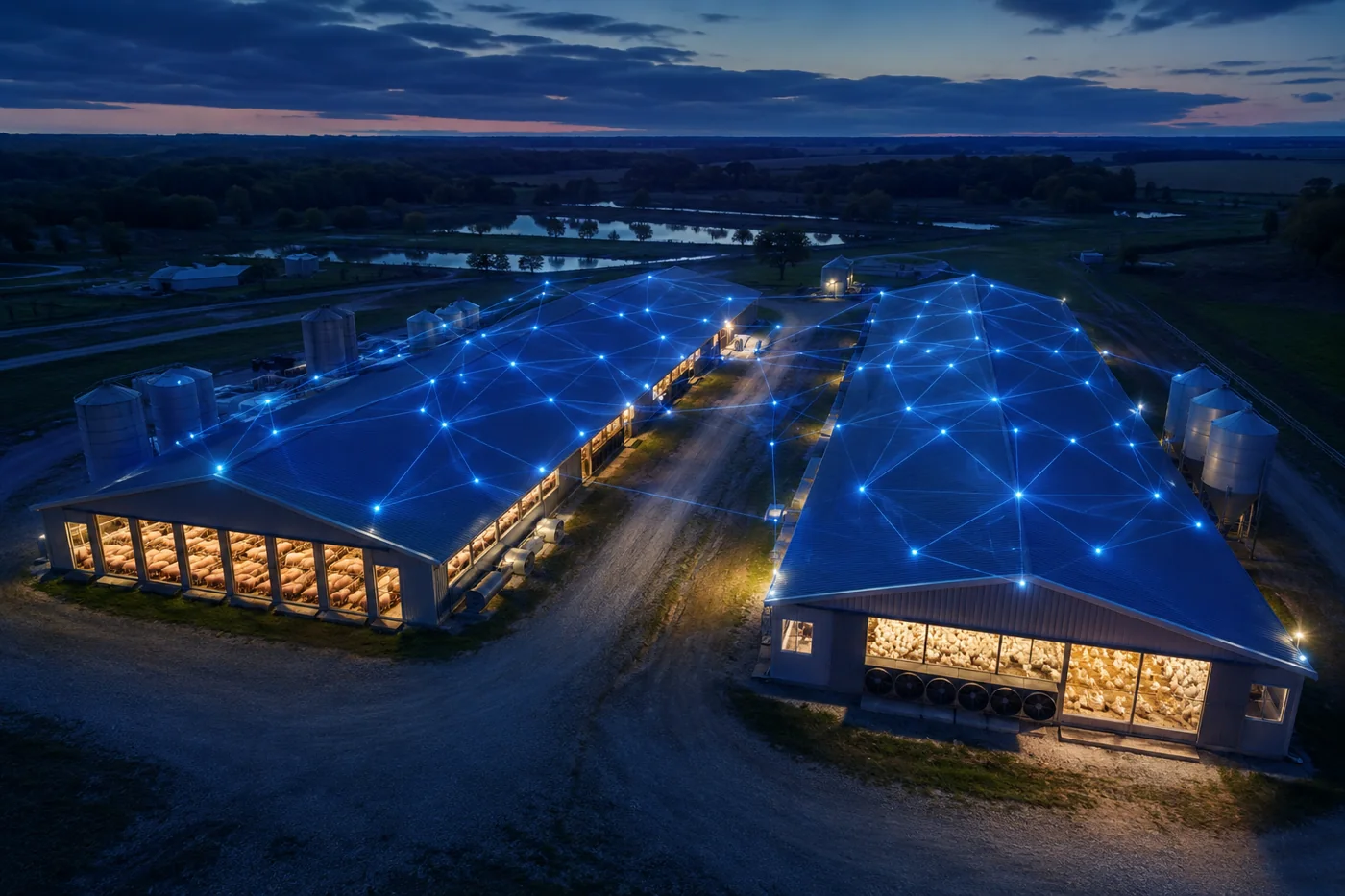

Viisi tilan autonomian tasoa
Kuten itseajavien autojen tasot mullistivat autoilun - mutta navetalle. Jokainen taso on askel kohti yhtä tavoitetta: viljelijä asettaa tavoitteen - FCR sian loppukasvatuksessa, elinvoimaisuus broilerihallissa, munintaprosentti munintakanalassa - ja tila löytää tien. L1-2 on automaatiota, jota saa jo kaupasta mistä tahansa - ajastimia, antureita, ilmastolaatikoita. L3 on se, missä DeepLoop elää: järjestelmä, joka lukee eläimiä itseään, päiviä ennen ihmissilmää - lähes kukaan muu ei tee tätä. L4-5 on suunta, johon olemme menossa: tila, joka pyörii, paranee ja parantaa itse itseään.
Navetta, jota näet
Kamerat ja anturit, jotka soittavat hälytyksen kun luku ylittää rajan. Liitymme merkkeihin, jotka sinulla jo on käytössä - joten pidät laitteiston, johon jo luotat, ja me rakennamme sen päälle.
Navetta, joka reagoi
Automatisoitu ympäristönhallinta - ilmanvaihto, ilmasto, ruokinta, vesi ja annostelu. Yleistä ja laajasti käytössä; integroidumme vakiintuneiden ilmasto- ja laitekumppanien kanssa sen sijaan että rakentaisimme sen uudelleen.
Navetta, joka huomaa sairauden
Painopoikkeamat, hengityskorinat, ontuva käynti ja käytösstressi nousevat esiin päivää ennen kuin manuaalinen tarkastus huomaa ne - hännänpuran epidemia kiinni ensimmäisten puremien häntien vaiheessa, höyhennysnokkiminen kiinni ennen kuin se leviää munintakanalan läpi, hengitystieinfektio kiinni ennen kuin se etenee broileriparven läpi. Se on pienempi kuolleisuus erää kohti ja vähemmän hylkäyksiä tilityksessä - ero hyvän ja huonon syklin välillä. Tätä ei kukaan muu ole vielä ratkaissut. Taustalla toimii eläinten käyttäytymisellä koulutettu video-perustamalli, joten se oppii, miltä normaali näyttää juuri sinun hallissasi - ei laboratoriossa.
Navetta, joka hoitaa arkiaskareet
Rutiininomainen fyysinen työ - tarkastus, kuolleiden keräys, siivous, desinfiointi - hoituu ilman toista paria käsiä. Hyvien tilatyöntekijöiden löytäminen on jo nyt vaikeaa; L4-tasolla lopetat kilpailemisen heistä.
Navetta, joka pyörii itsekseen
Navetta oppii koko ajan itsekseen ja paranee sekä eläinten että lukujen suhteen. Jokainen erä opettaa sille jotain. Viljelijä asettaa tavoitteen - FCR, kustannus per kilo, hyvinvoinnin vähimmäistaso - ja tila löytää polun.
Kuka määritteli tilan automaation tasot?
DeepLoop määritteli tämän L1-L5-kehyksen kotieläintuotantoon, SAE:n itseajavien automaatiotasojen mallin mukaan, antaakseen tuottajille yhteisen kielen sille, kuinka autonominen navetta todella on.
Millä tasolla useimmat tilat ovat tänään?
Useimmat kaupalliset sika- ja siipikarjatilat toimivat L1-L2-tasolla: ajastimet, anturit ja ilmastonsäätimet, jotka pitävät asetusarvoja mutta eivät lue eläimiä. L3-järjestelmät - jotka ymmärtävät itse eläimet - ovat DeepLoopin toimialuetta.
Mitä tarvitaan siirtyäkseen L2:sta L3:een?
Kamerat ja ohjelmisto, jotka lukevat eläimet - luku, paino, käytös, jakautuminen - plus kierto, joka muuttaa havainnot tiedoiksi ja säädöiksi. Ei omistusoikeudellista laitteistoa: tavalliset kamerat kantavat koko aistimakerroksen.
Ovatko L5 realistinen?
L5 - tila, joka pyörii, paranee ja parantaa itseään - on suunta, ei tuote. Jokainen sen alla oleva taso tuo arvoa itsessään; asteikon tarkoitus on tietää, missä olet ja mitä seuraava vaihe tuo.