Baserriko Autonomiaren L1-L5 Mailak
Baserriko autonomiaren mailak abeltzaintzarako bost mailako eskala bat dira, kotxeak birmoldatu zituzten gidatu automatikoen mailak eredutzat hartuta. L1-L2 jadanik eros dezakezun automatizazioa da - tenporizadoreak, sentsoreak, klima-kontrolagailuak. L3 animaliak berak irakurtzen dituen eta ikusten duenean jarduten duen sistema da. L4-L5 bere kabuz funtzionatu, sendatu eta hobetzen duen baserria da. Markoa DeepLoop-ek definitu zuen txerri, oilasko eta oilo ekoizpenerako.
Maila bakoitzak galdera bati erantzuten dio: eguneroko begiztaren zenbatean - behatu, ulertu, erabaki, jardun, ikasi - funtzionatzen du pertsonarik gabe. Baserritarrak helburua ezartzen du (FCRa txerri haztegian, bizi-iraunkortasuna oilasko-etxean, errute-tasa oilategian); maila bakoitzean gora, baserriak bere kabuz bide gehiago aurkitzen du. Beheko eskala marko osoa da.
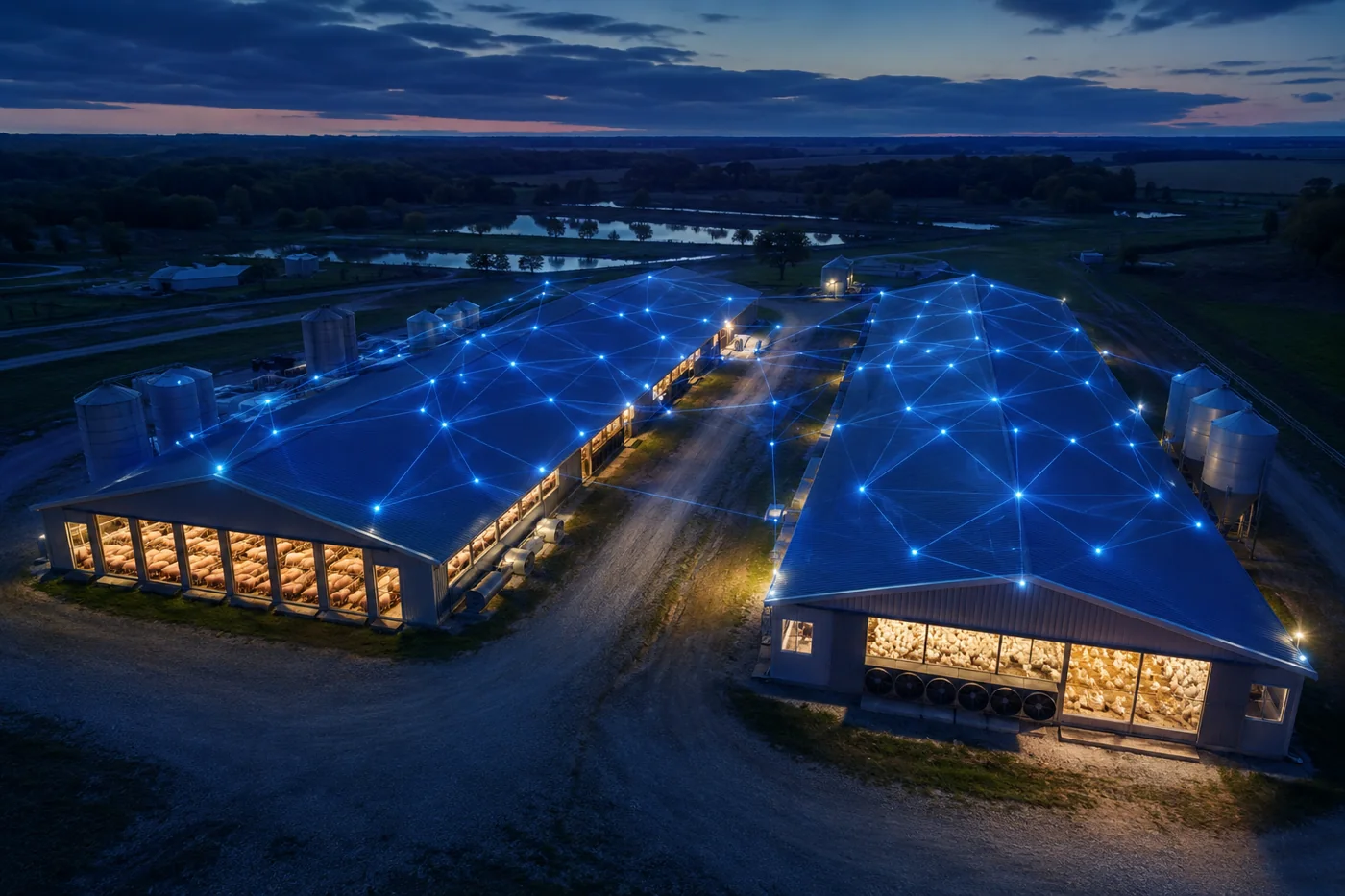

Baserri-autonomiaren bost maila
Gidatzea birmoldatu zuten autonomia-mailak bezala - baina ukuiluarentzat. Maila bakoitza helburu bakar baterako urratsa da: baserritarrak helburua ezartzen du - FCRa txerri-gizengailuan, biziraupena oilasko-etxean, errute-tasa errule-etxean - eta baserriak bidea aurkitzen du. L1-2 edonon eros dezakezun automatizazioa da - tenporizadoreak, sentsoreak, klima-kutxak. L3 DeepLoop bizi den lekua da: animaliak beraiek irakurtzen dituen sistema, giza begiak baino egun batzuk lehenago - ia inork ez du hori egiten. L4-5 goazen norabidea da: bere kabuz funtzionatu, sendatu eta hobetzen den baserria.
Ikus dezakezun ukuilua
Zenbaki batek muga gainditzen duenean alarma jotzen duten kamerak eta sentsoreak. Dagoeneko darabiltzun markekin konektatzen gara - beraz, jada fidatzen zaren hardwarea mantentzen duzu, eta gu horren gainean eraikitzen dugu.
Erreakzionatzen duen ukuilua
Ingurumen-kontrol automatizatua - aireztapena, klimatizazioa, elikadura, ura eta dosifikazioa. Ohikoa eta hedatua; ezarritako klimatizazio- eta ekipamendu-bazkideekin integratzen gara, berriz eraiki beharrean.
Gaixotasuna atzematen duen ukuilua
Pisu-desbiderapenak, arnas-karranka, herrentasun-ibilera eta jokabide-estresa eskuzko ikuskapenak harrapatu baino egun lehenago azaleratzen dira - isats-koskaketa batek harrapatutako lehen koskatutako isatsetan, lumakatzea errule-etxean zabaldu baino lehen harrapatua, arnas-hauste bat oilasko-taldea kolpatu baino lehen harrapatua. Hori sortako hilkortasun gutxiago eta likidazioan baztertze gutxiago da - ziklo on baten eta txar baten arteko aldea. Hau da inork oraindik konpondu ez duen zatia. Azpian abereen jokabidearekin entrenatutako bideo-oinarrizko eredu bat dago, eta horrela ikasten du normala zure ukuiluan nolakoa den, ez laborategi batean.
Lanak egiten dituen ukuilua
Ohiko lan fisikoa - ikuskapena, hilen bilketa, garbiketa, desinfekzioa - esku gehigarririk behar izan gabe egina. Baserri-langile onak aurkitzea jada zaila da; L4an, haien bila ibiltzeari uzten diozu.
Bere kabuz funtzionatzen duen ukuilua
Ukuiluak bere kabuz ikasten jarraitzen du eta animalietan zein zenbakietan hobetzen da. Sorta bakoitzak zerbait irakasten dio. Baserritarrak helburua ezartzen du - FCRa, kg bakoitzeko kostua, ongizate-gutxieneko maila - eta baserriak bidea aurkitzen du.
Nor definitu zuen baserriko autonomiaren mailak?
DeepLoop-ek definitu zuen L1-L5 marko hau abeltzaintza-ekoizpenerako, gidatze automatikoaren SAE mailak eredutzat hartuta, ekoizleei hizkuntz komun bat emateko ukuilu batek benetan zein autonomo den jakiteko.
Zein mailan daude gaur egungo baserri gehienak?
Txerri eta hegazti baserri komertzial gehienak L1-L2 mailan funtzionatzen dute: ezarpenak mantentzen dituzten baina animaliak ez irakurtzen dituzten tenporizadoreak, sentsoreak eta klima-kontrolagailuak. DeepLoop-ek animaliak berak ulertzen dituzten L3 sistemetan funtzionatzen du.
Zer behar da L2tik L3ra pasa bitartean?
Animaliak irakurtzen dituzten kamerak eta softwarea - kontaketak, pisua, portaera, banaketa - eta detekzioak erregistro eta doitzetara bihurtzen dituen begizta. Hardware jabedunik gabe: kamera estandarrek sentsore-maila osoa daramate.
L5 errealista al da?
L5 - bere kabuz funtzionatu, sendatu eta hobetzen duen baserria - norabide bat da, ez produktu bat. Bere azpiko maila bakoitzak bere kabuz balioa ematen du; eskalaren funtsa non zabiltzan jakitea da eta hurrengo urratsak zuretzat duen balioa.