Farmi autonoomia L1-L5 tasemed
Farmi autonoomia tasemed on viietase skaala loomakasvatusele, mudeldud isesõidavate autode tasemetel, mis muutsid autotööstust. L1-L2 on automatiseerimine, mida saad juba osta - taimerid, sensorid, kliimajuhid. L3 on süsteem, mis loeb loomi endid ja tegutseb selle järgi, mida see näeb. L4-L5 on farm, mis töötab, paraneb ja arendab iseennast. Raamistik defineeris DeepLoop sigade, broilerite ja munakanade tootmise jaoks.
Iga tase vastab ühele küsimusele: kui suur osa päevasest silmusest - vaata, mõista, otsusta, tegutse, õpi - töötab inimeseta. Farmer seab sihtnumbri (FCR sea nuumal, ellujäämine broilerlaujas, munemismäär munakanalas); iga tase ülespoole, farm leiab enam tee ise. Allpool olev skaala on täielik raamistik.
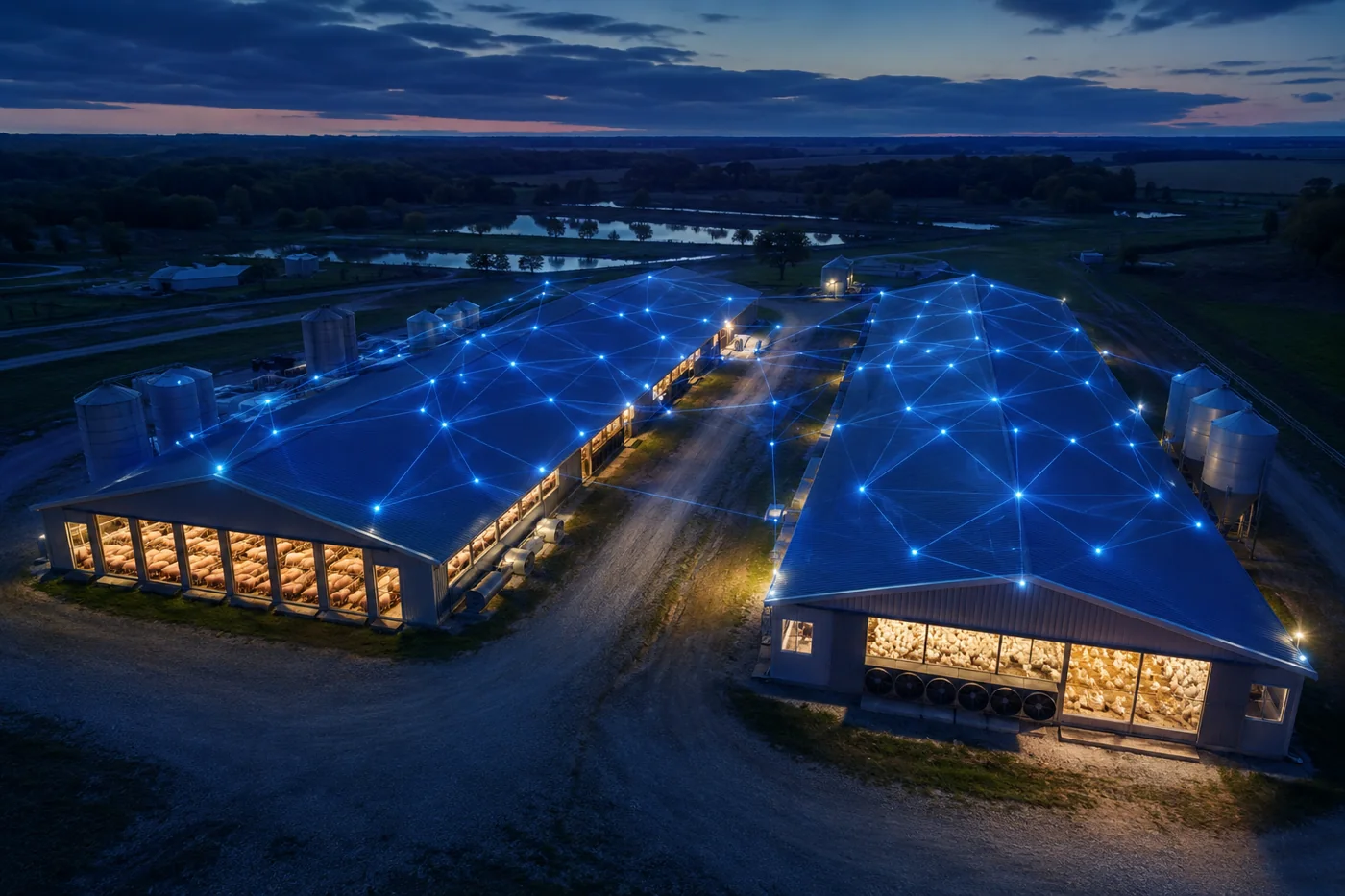

Viis farmi autonoomia taset
Nagu isesõitvate autode tasemed, mis muutsid autotööstust - aga lauda jaoks. Iga tase on samm ühe eesmärgi poole: farmer seab sihi - FCR sea nuumal, elujõulisus broilerilaudas, munevuse määr munakanalas - ja farm leiab tee. L1-2 on automaatika, mida saab juba täna igalt poolt osta - taimerid, andurid, kliimaseadmed. L3 on koht, kus DeepLoop elab: süsteem, mis loeb loomi endid, päevi enne inimsilma - peaaegu keegi teine seda ei tee. L4-5 on see, kuhu me liigume: farm, mis töötab, paraneb ja täiustub iseenesest.
Laut, mida sa näed
Kaamerad ja andurid, mis löövad häirekella, kui number läheb üle piiri. Me ühendume brändidega, mida sa juba kasutad - nii et sa hoiad alles riistvara, mida juba usaldad, ja meie ehitame selle peale.
Laut, mis reageerib
Automatiseeritud keskkonnajuhtimine - ventilatsioon, kliima, söötmine, vesi ja doseerimine. Levinud ja laialdaselt kasutusel; me liidestume väljakujunenud kliima- ja seadmepartneritega, mitte ei ehita seda uuesti.
Laut, mis märkab haigust
Kaalu kõrvalekalded, hingamisteede räginad, lonkav kõnnak ja käitumuslik stress kerkivad pinnale päeva enne, kui käsitsi ülevaatus need tabab - sabanäksimise puhang tabatud esimeste näksitud sabade juures, sulgede nokkimine tabatud enne, kui see munakanalas levib, hingamisteede puhang tabatud enne, kui see broilerikarja läbi jookseb. See tähendab madalamat suremust partii kohta ja vähem konfiskatsioone arvelduses - vahe hea ja halva tsükli vahel. See on osa, millega keegi teine pole hakkama saanud. Selle all töötab loomade käitumisel treenitud video-alusmudel, nii et see õpib, milline näeb normaalne välja just sinu laudas, mitte laboris.
Laut, mis teeb ära argitööd
Igapäevane füüsiline töö - ülevaatus, korjuste kogumine, koristamine, desinfitseerimine - tehtud ilma, et oleks vaja veel üht paari käsi. Heade farmitöötajate leidmine on niigi raske; L4 juures lakkad sa nende pärast võistlemast.
Laut, mis käitab end ise
Laut õpib iseseisvalt edasi ja muutub paremaks nii loomade kui numbrite osas. Iga partii õpetab talle midagi. Farmer seab sihi - FCR, kulu kilogrammi kohta, heaolu alampiir - ja farm leiab tee.
Kes defineeris farmi autonoomia tasemed?
DeepLoop defineeris selle L1-L5 raamistiku loomakasvatuse tootmise jaoks, mudeldud SAE autonoomse juhtimise tasemetel, et anda tootjatele ühine keel selle kohta, kui autonoomne laud tegelikult on.
Missugusel tasemel on enamus farme täna?
Enamik kommerts-siga- ja linnufarme töötab L1-L2 tasemel: taimerid, sensorid ja kliimajuhid, mis hoiavad seadeväärtusi, kuid ei loe loomi. L3 süsteemid - mis mõistavad loomi endid - on seal, kus DeepLoop tegutseb.
Mida on vaja liikumiseks L2-st L3-nesse?
Kaamerad ja tarkvara, mis loevad loomi - loendus, kaal, käitumine, jaotus - pluss silmus, muudab avastused andmeteks ja kohendusteks. Omandiõigusteta riistvara: standardkaamerad kannavad kogu tajukihti.
Kas L5 on realistlik?
L5 - farm, mis töötab, paraneb ja arendab iseennast - on suund, mitte müüdav toode. Iga madalam tase annab väärtuse iseenes; skaala punkt on teada, kus sa oled, ja mida järgmine samm sulle annab.